
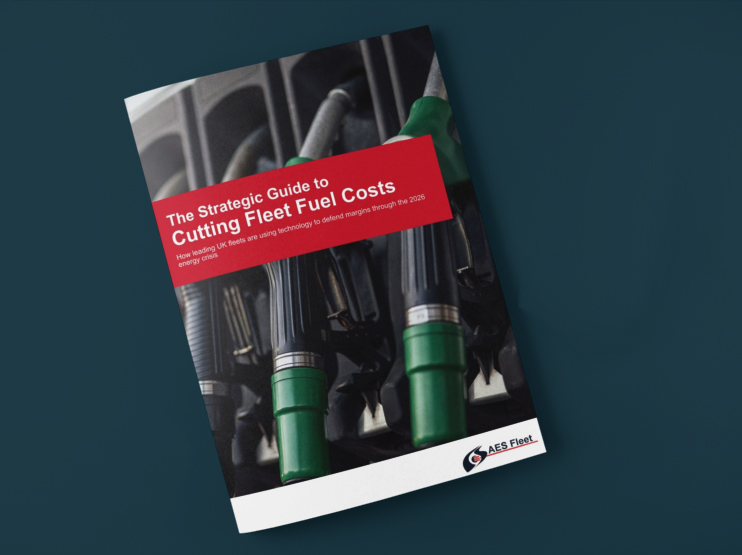
The free UK guide showing fleet operators how to cut fuel spend by 15–25% using telematics, driver behaviour data and fuel card reconciliation.
UK diesel hit a record 199.18p per litre in September 2026. The 5p fuel duty cut ends on 31 December, with duty rising 3p on 1 January 2027 and 2p more on 1 March.
✓ 11 pages, no fluff ✓ Real UK fleet case studies ✓ Includes 90-day rollout plan
The 2026 fleet fuel triple threat: Diesel at a record 199p, up 40% since February (Iran/Hormuz disruption) · Fuel duty rises 1 Jan and 1 Mar 2027 · Insurance & maintenance costs climbing.
What's inside the guide
- Reduce fuel waste from idling — Most fleets idle 2–3x more than they think. The 5-step fix cuts it by 50–70%.
- Improve driver behaviour for better MPG — Two drivers, same van, 30% MPG gap. WGM closed it and cut fuel use 22%.
- Cut diesel miles with route optimisation — Coviran saved 159,000+ litres in a year, over £316,000 at today's prices.
- Use a fuel card to lower pump spend — 2–5p/litre off retail. Around £4,500 a year on a 50-van fleet.
- Detect and prevent fleet fuel fraud — Fleets lose 2–5% to fraud and misuse. On a £300k bill, that's £6k–£15k recoverable.
- Improve fuel efficiency through maintenance — A well-maintained fleet recovers 5–10% MPG. Tyres alone deliver 4%.
- Evaluate the EV transition objectively — Electric vans run at ~8–10p a mile vs ~24p for diesel on suitable routes
- The 90-day fuel cost reduction plan — Measure, quick wins, embed. Most fleets hit 8–15% by day 90.
Download Your Free Copy: The Strategic Guide to Cutting Fleet Fuel Costs
Complete this form and your PDF will be sent to your inbox.
Frequently Asked Questions About Reducing Fleet Fuel Costs in 2026
When does UK fuel duty go up? UK fuel duty is frozen at 52.95p per litre until 31 December 2026, after the government cancelled the planned September and December rises in May. Under current law, duty rises 3p on 1 January 2027 and a further 2p on 1 March 2027, returning to its pre-2022 level of 57.95p per litre, with RPI increases from April 2027. The Autumn Budget on 28 October could change this timetable. For a 50-vehicle HGV fleet, the full 5p still adds tens of thousands of pounds a year before any market movement.
How much can fleet telematics realistically save on fuel costs? Real UK fleet results range from 8% to 25%. Webfleet customer WGM cut fuel use by 22% in 12 months. Sanctuary Maintenance achieved 25% in 2 months. Axis Europe gained 20% MPG in 5 months. The realistic stacked target for a UK fleet starting from scratch is 15–25% total fuel cost reduction within 12 months.
What's the single fastest way to reduce fleet fuel costs? Idling reduction is usually the fastest win. A diesel van burns roughly 0.8 litres per hour while stationary, costing around £1.60 per idling hour at September 2026's record diesel prices. Most fleets discover their idle time is 2–3x what they assumed, and a baseline idling report typically pays for itself within weeks.
Are fuel cards worth it for small fleets? Yes. Commercial fuel cards typically deliver 2–5p per litre off pump prices, plus access to a wider, more cost-effective network. On a 50-van fleet using around 150,000 litres of diesel a year, a 3p discount alone is worth about £4,500 a year. That typically covers the cost of the card programme before any other benefit is counted.
How does the UK Fuel Finder Scheme affect fleet fuel costs? Only a light touch is needed. Add "Live since 2 February 2026," to the start, and fix the missing comma: "...on their route automatically, which is particularly valuable with diesel at record highs.
Should I switch my fleet to electric vehicles? Not necessarily 100%, but every fleet should know which routes could be electric. With diesel at a record 199p a litre, a diesel van costs around 24p a mile in fuel, while an electric van charged at home or at the depot costs around 8–10p. Electric vans are also exempt from the 3p-per-mile EV tax due on cars from April 2028. The Webfleet EV Fleet Prospector tool analyses your real-world duty cycles to identify the best electrification candidates objectively.
Why AES Fleet
Why UK fleets trust AES Fleet for fuel cost reduction
AES Fleet is an award-winning UK fleet management specialist based in Leighton Buzzard, Bedfordshire. We're authorised partners for Webfleet, FleetCheck and Mantis. We don't just resell technology, we deliver end-to-end fleet solutions with expert consultancy, professional installation and ongoing 10/10-rated support.
Whether you run 10 vehicles or 1,000, the principles in this guide apply across transport, logistics, construction, aggregates and field service.
